Effective Modelling of Speech Sounds and Grammar to Your Child
When your child is learning new sounds or grammar skills, they often need to hear the correct version many, many times before they’re ready to say it themselves. One of the most helpful ways to support your child’s language development at home is through simple modeling — showing them how the word or sentence is supposed to sound without pressuring them to repeat it.
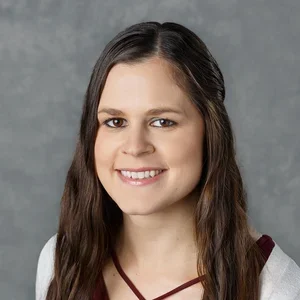
I'm Brittany, speech-language pathologist at Metro Therapy, and today I want to talk about effective modeling of speech sounds and grammar for kids.
How to Model Speech for Your Child
A model can involve demonstrating an example to your child of how a specific speech sound, word or sentence should be produced.
Recasting involves hearing your child produce a word, phrase, or sentence containing a speech sound or grammatical error, and then repeating it back to them using the correct speech sounds, words, et cetera. This is a very effective strategy for modeling correct speech sounds and grammar for your child at home.
For example, if your child says, “I want the wed car,” you could say, “you want the red car? Okay, go get the red car. You can drive the red car over here.”
Modeling Works for Grammar, Too
The same strategy applies to language targets such as grammar. For example, if your child omits a past tense verb ending and says, “I drop my cookie,” you could say, “You dropped your cookie. It looks like you dropped your cookie because you were holding too many things.”
What you don't want to do is constantly correct your child each time you hear them make a speech, sound or grammar error and have them say it again. This can cause significant frustration for your child and may also cause your child to be less willing to practice their speech, sound, or grammar targets at home.
Reach Out to Metro Therapy for More Information
I hope you found these tips for effective modeling of speech sounds and grammar for your child helpful. If you have any questions, reach out to Metro Therapy at (763) 450-9400.